Treatment time:
9-15 months
Suitable for:
Children and teens aged 8-16
Used to treat:
Overbites and overjets
Cost:
From £1600
Key benefit:
Perfect an overbite in a growing jaw

Treatment time:
9-15 months
Suitable for:
Children and teens aged 8-16
Used to treat:
Overbites and overjets
Cost:
From £1600
Key benefit:
Perfect an overbite in a growing jaw
Twin block braces work best in growing patients, so an overbite must be identified and managed well before the end of the adolescent growth spurt, and ideally much earlier.
Correction of an overbite with twin blocks is usually followed by a period of time with fixed braces to complete alignment of the teeth and completely perfect the bite.
contact us today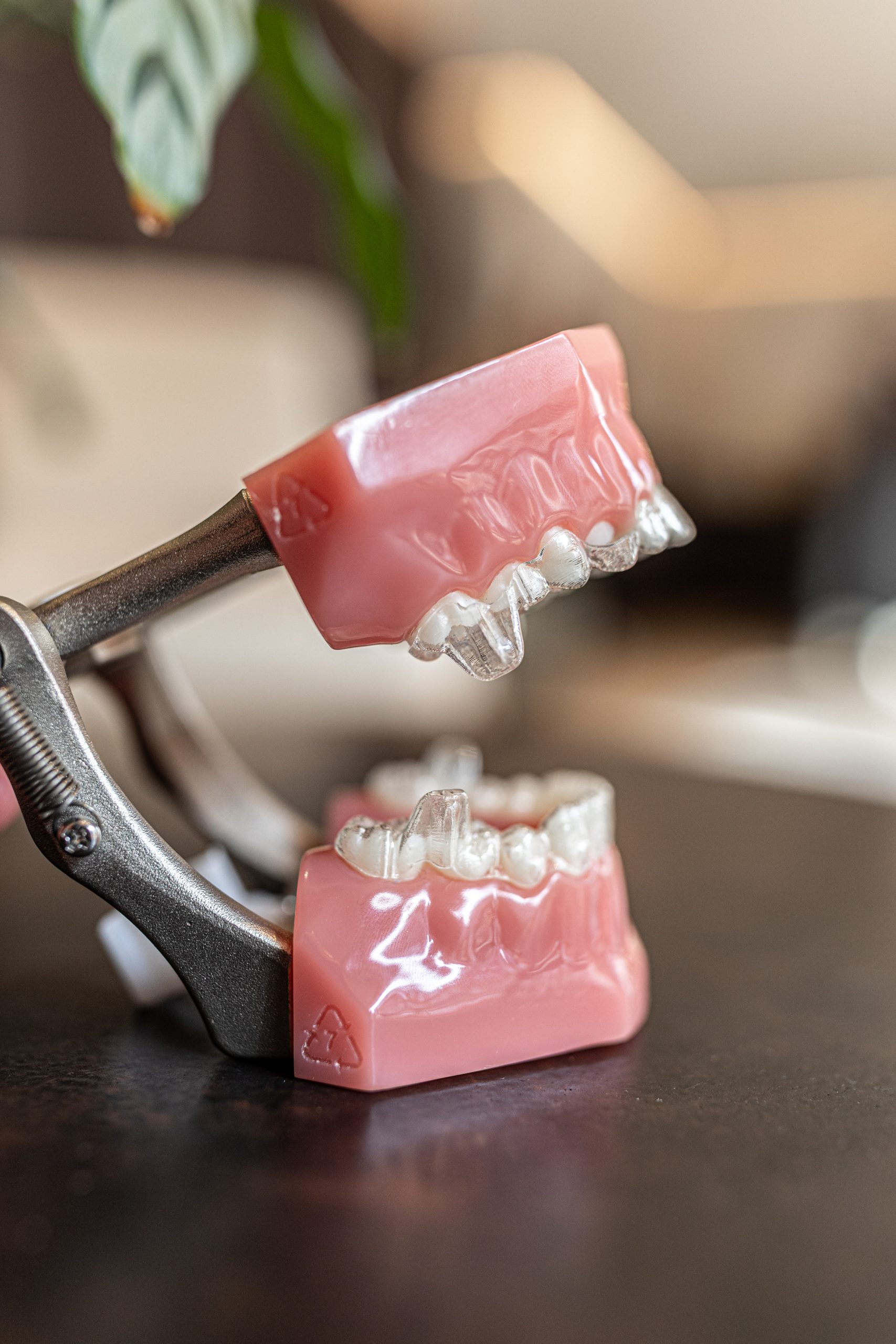
We start your twin block braces journey with a detailed consultation in our practice. We explain the procedure, assess your teeth and bite to make sure you are suitable for treatment, and give you the chance to ask any questions.
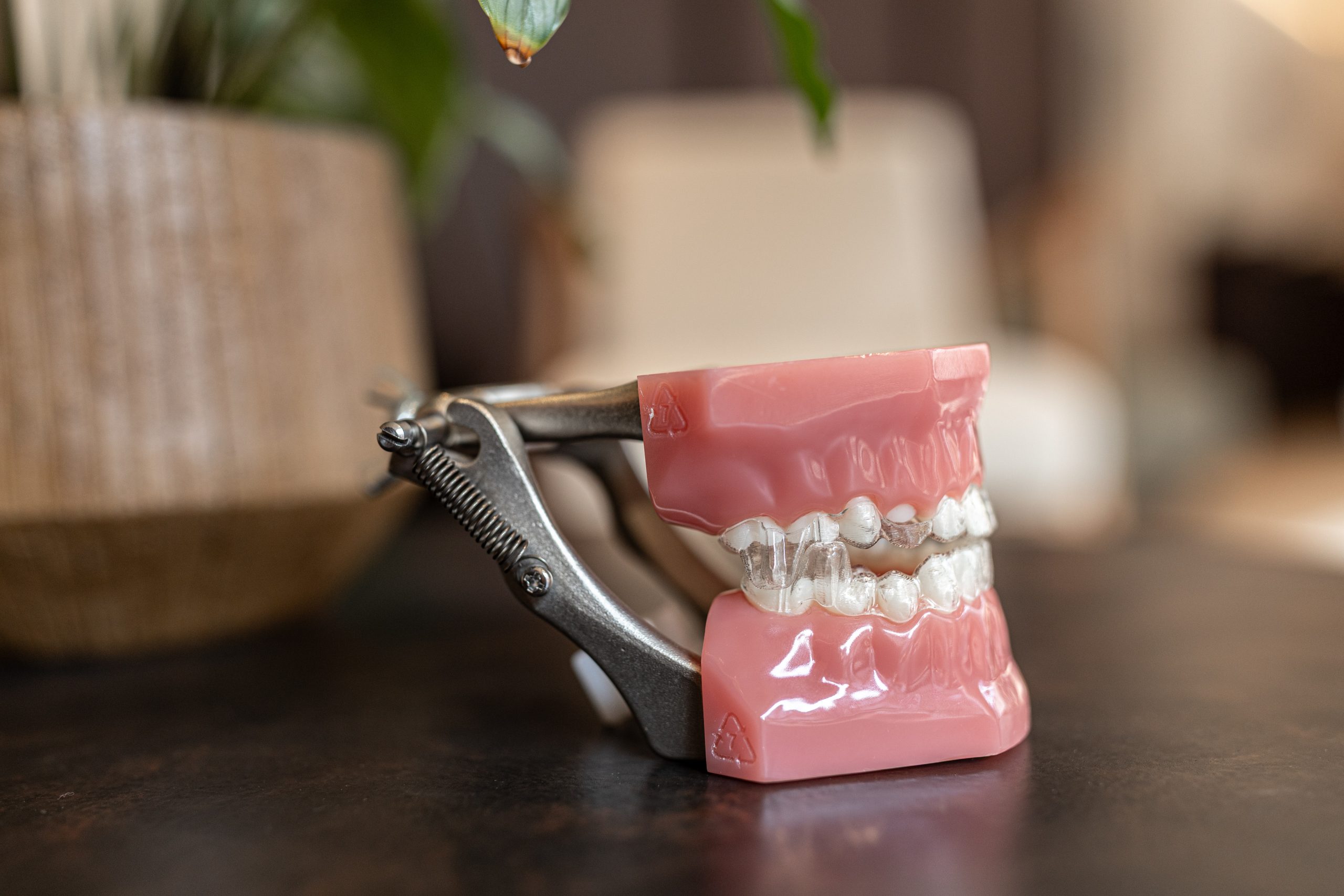
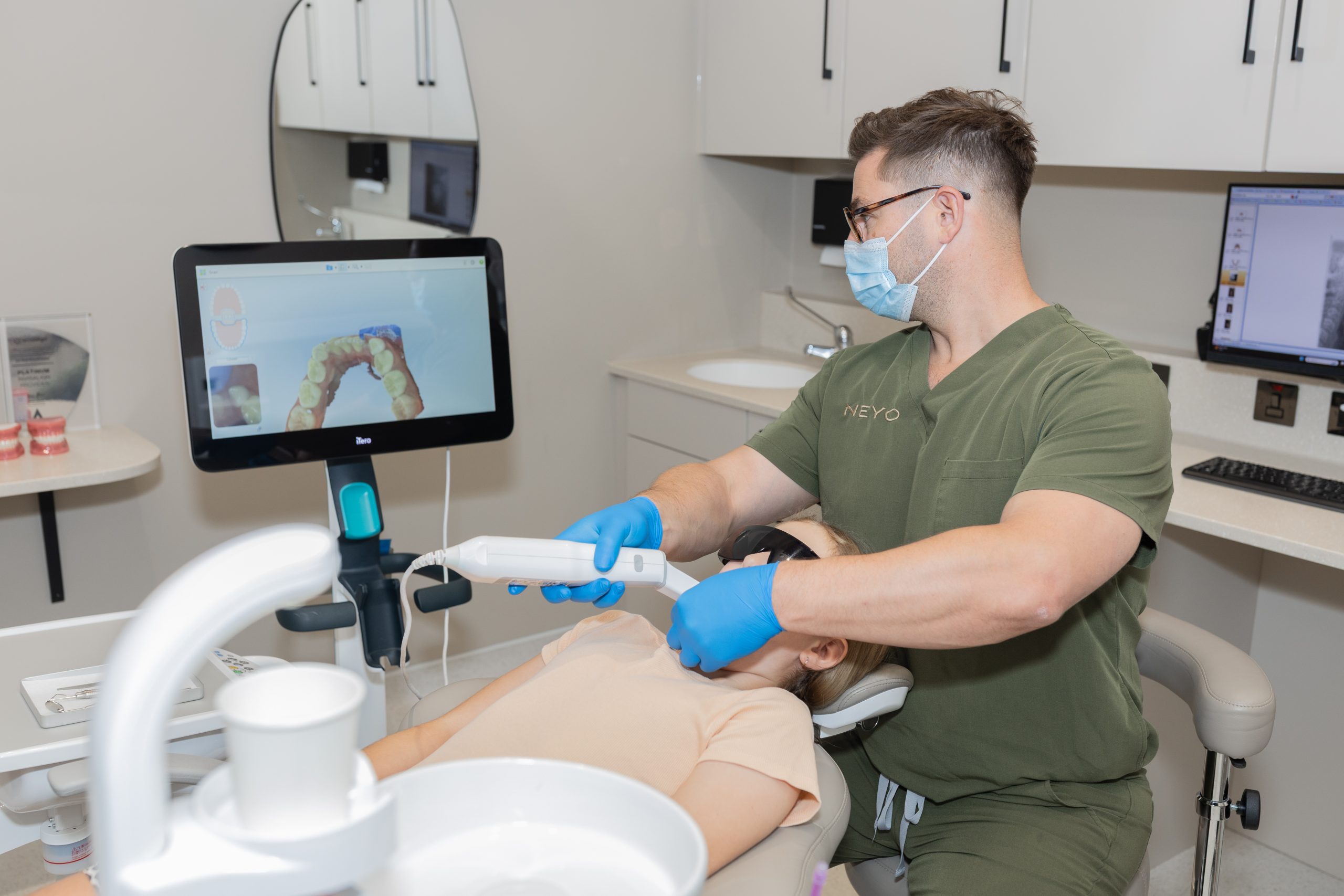
We use our advanced digital equipment to take precise scans and images of your teeth. These are used to custom-make your twin blocks in a dental laboratory with an exact fit. The upper and lower plates each have a block of acrylic that guides the lower teeth and jaw into an improved forward position.
Your block braces need to be worn day and night, and are just removed for eating, cleaning and contact sports. They are typically worn for 9-12 months and require adjusting every 8 weeks or so by your orthodontist to ensure that they are working correctly. Wearing block braces isn’t easy at first, and some discomfort and speech problems during the first week or two is completely normal. This gets easier with time and practice.
contact us todayThe cost of twin block braces varies depending on the complexity of each case. At our specialist orthodontic practice in Burgess Hill, twin block braces start from £1600, with consultations priced at Free. Please talk to us for more information.
Twin blocks are only effective in growing patients. The ideal time to use a twin block is in children who are just beginning their adolescent growth spurt, typically around the age of 11-14. Once growth has slowed down, other treatment options may be suggested.
Effective overbite correction with twin blocks is only possible through full time wear including day and night. Some modest improvements may be seen with part time wear, but full time wear is essential for full correction.
If the twin block is not being worn because it is lost or broken, the teeth start to move backwards again, and any improvements will be lost. It is imperative that you look after your twin blocks well, and to contact your orthodontist immediately if you are unable to wear the twin block for any reason.
Absolutely. At Neyo Dental Specialists, we offer several alternatives to twin blocks that you may find more suitable, including Invisalign Teen, Neyo Pro Align and Forsus Springs. We will be happy to talk you through all your options at your consultation.
Twin blocks are typically used in a separate first phase of treatment to correct the bite, lasting 9-12 months. This is usually followed by a period of time wearing fixed braces to align the teeth, which might last for an additional 12-24 months. This means the total treatment time to fix an overbite can be as long as 36 months.
We offer some alternative options at Neyo Dental Specialists. With clear aligners such as Neyo Pro Align or Invisalign Teen, the bite correction is done simultaneously with the tooth alignments, using mandibular advancement blocks that work in a similar way to the twin blocks. Another option may be a fixed functional appliance such as Forsus Springs. These are used in conjunction with a fixed brace, meaning the treatment times are much shorter (typically 12-18 months).
One of the main issues with twin blocks is compliance. Because they can be difficult to wear, some children leave them out for long periods of time, making them less effective. Encouragement is very helpful. This can also be avoided with a fixed functional brace such as Forsus Springs, as they cannot be removed and so are working 24/7. Invisalign Teen and Neyo Pro Align are less bulky than twin blocks, so may be considered more comfortable and therefore compliance could be improved.
Twin block braces are very useful when used to treat crossbite and overbites. Please talk to us about booking your initial consultation at Neyo Dental Specialists.
How can we help? Call us on 01444 523 143 or send us an email using the form below and we’ll get right back to you…