Treatment time:
30-60 minutes
Anaesthetic required:
Yes
Downtime:
1-5 days
Cost:
From £300 (consultations £95)
Key benefit:
Prevent or treat dental pain

Treatment time:
30-60 minutes
Anaesthetic required:
Yes
Downtime:
1-5 days
Cost:
From £300 (consultations £95)
Key benefit:
Prevent or treat dental pain
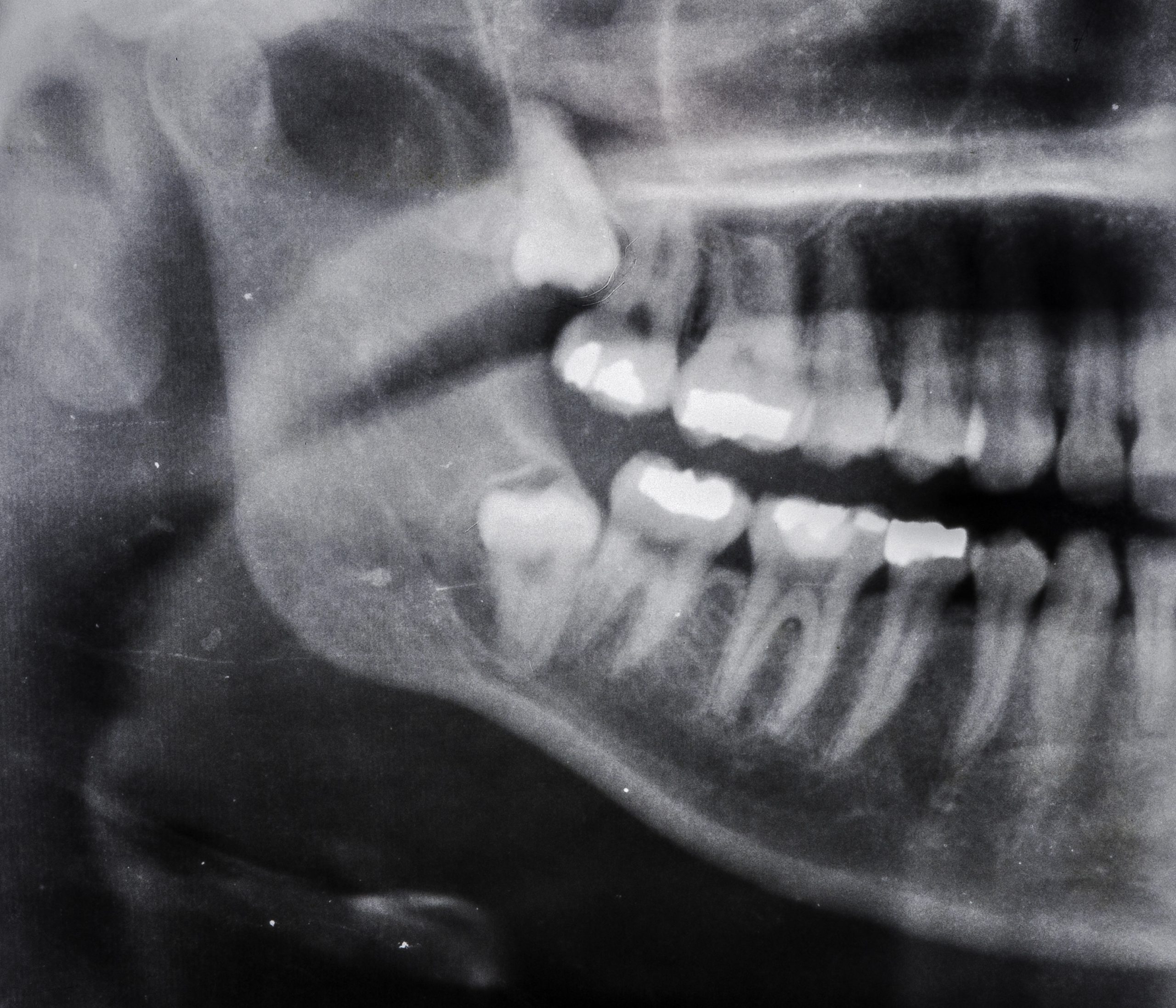
Wisdom teeth grow at the very back of your mouth, usually appearing when all other teeth are in place. They have a tendency to grow incorrectly or get stuck due to a lack of space, which can affect your oral health.
If a wisdom tooth is causing you pain, it needs to be assessed and removed if necessary to protect the rest of your mouth. A wisdom tooth extraction is a very common surgical procedure that involves completely removing the tooth and its root, providing relief.
contact us today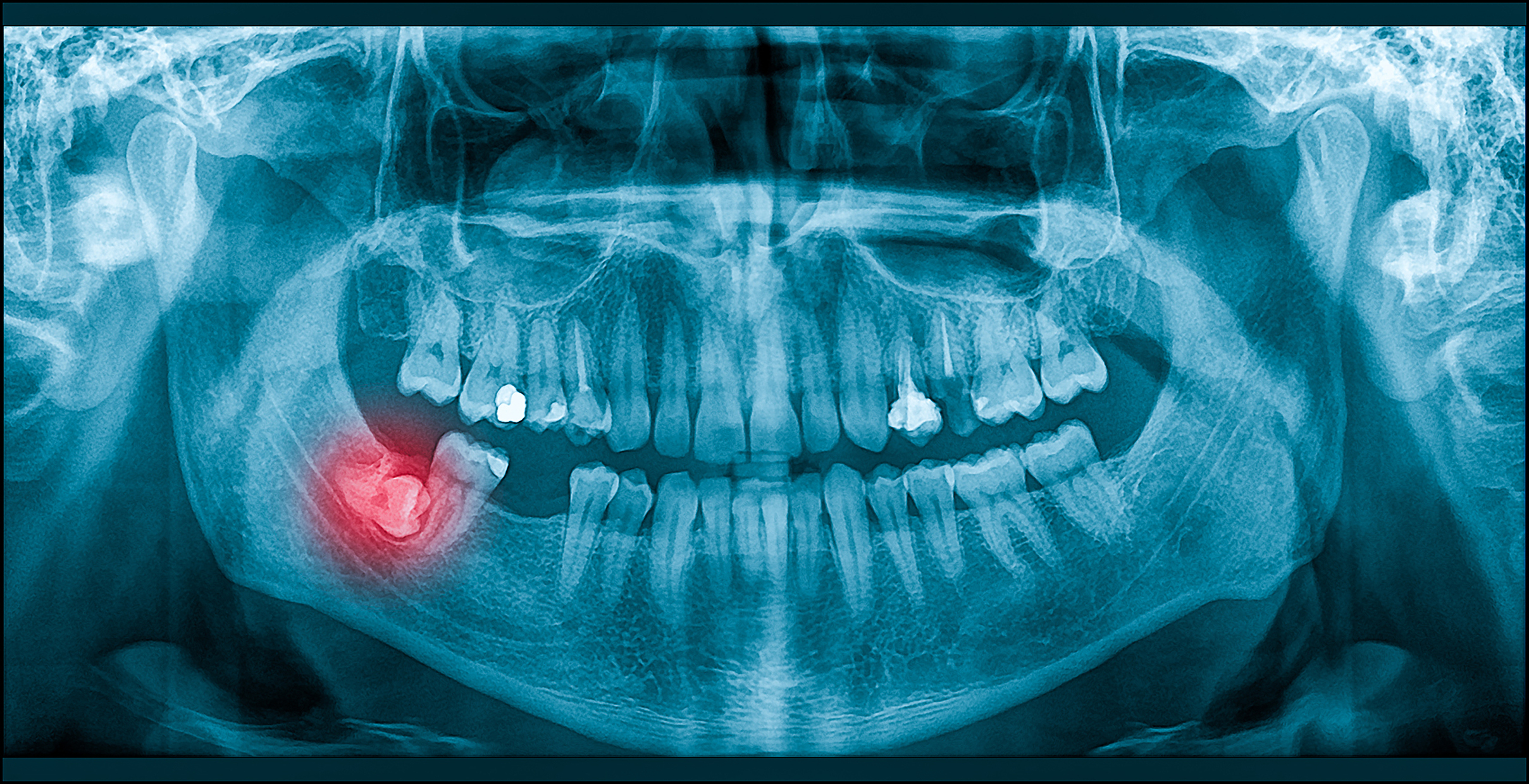
If your wisdom tooth needs to be removed, we discuss the procedure with you in detail and obtain your consent for the surgery before continuing.
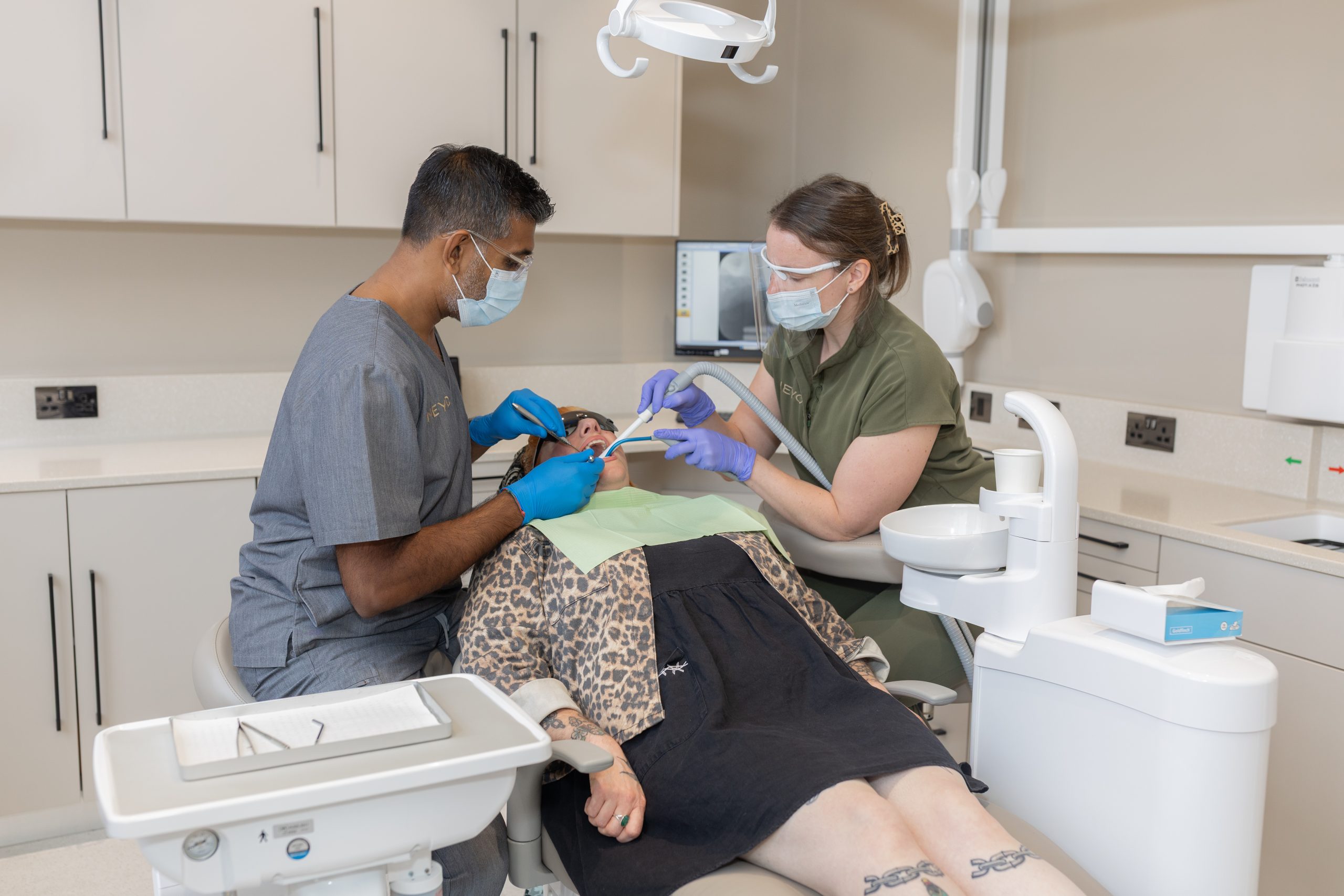
We use local anaesthetic to minimise discomfort and make sure you are relaxed and ready before we begin. When your gum and tooth are completely numb, we apply moderate pressure to the tooth and roots to loosen it little by little until it is easily able to come out.
If your wisdom tooth is not completely visible, we may need to make a small cut in your gum in order to remove it successfully. Depending on the angle of your wisdom tooth, it may also need to be removed in parts.
Once your tooth has been removed, we ensure you are feeling well and give you some tailored advice on what to expect in the first few days following the procedure.
contact us todayA wisdom tooth removal takes approximately 10-30 minutes, with your total treatment time around 30-60 minutes.
We recommend taking the rest of the day off work following your surgical procedure. Most people will have recovered enough to go back to work the next day, although if your case is particularly complex you may need an additional 1-5 days off.
You will not feel any pain during treatment, but it is common to feel some soreness afterwards. We recommend taking a painkiller such as paracetamol or ibuprofen straight away to prevent any immediate discomfort. Every person will experience a different level of soreness, so you may need to take painkillers for the next 1-5 days after treatment.
If your wisdom tooth is not causing you any pain, it is usually fine to leave it in place. Some tooth infections can be treated with a course of antibiotics and the wisdom tooth monitored at your regular dental check-ups. However, if the problem persists, or the impacted tooth is causing issues with keeping your teeth clean, we may decide it needs to be removed.
A local anaesthetic injection is placed into the gum next to the wisdom tooth being removed. This will feel like a small sharp scratch or pinch, after which your gum and tooth will be numb and you will not feel any pain during the treatment. The numb sensation feels tingly or heavy around the teeth being treated, including your lips, chin, cheek or tongue. You will feel a sensation of pressure during the wisdom tooth removal which is not painful, and a surgical drill is sometimes used, but you will feel and hear only some vibration and noise.
Yes, if you are worried about pain or feeling nervous about dental surgery, we can use sedation to help you relax. Sedation involves our specialist administering medicine into a vein via a small cannula. It makes you feel sleepy and at ease both physically and mentally, and you will need someone to take you home afterwards.
How can we help? Call us on 01444 523 143 or send us an email using the form below and we’ll get right back to you…