
[ninja_tables id=”6023″]
Dental bridge – cheaper option
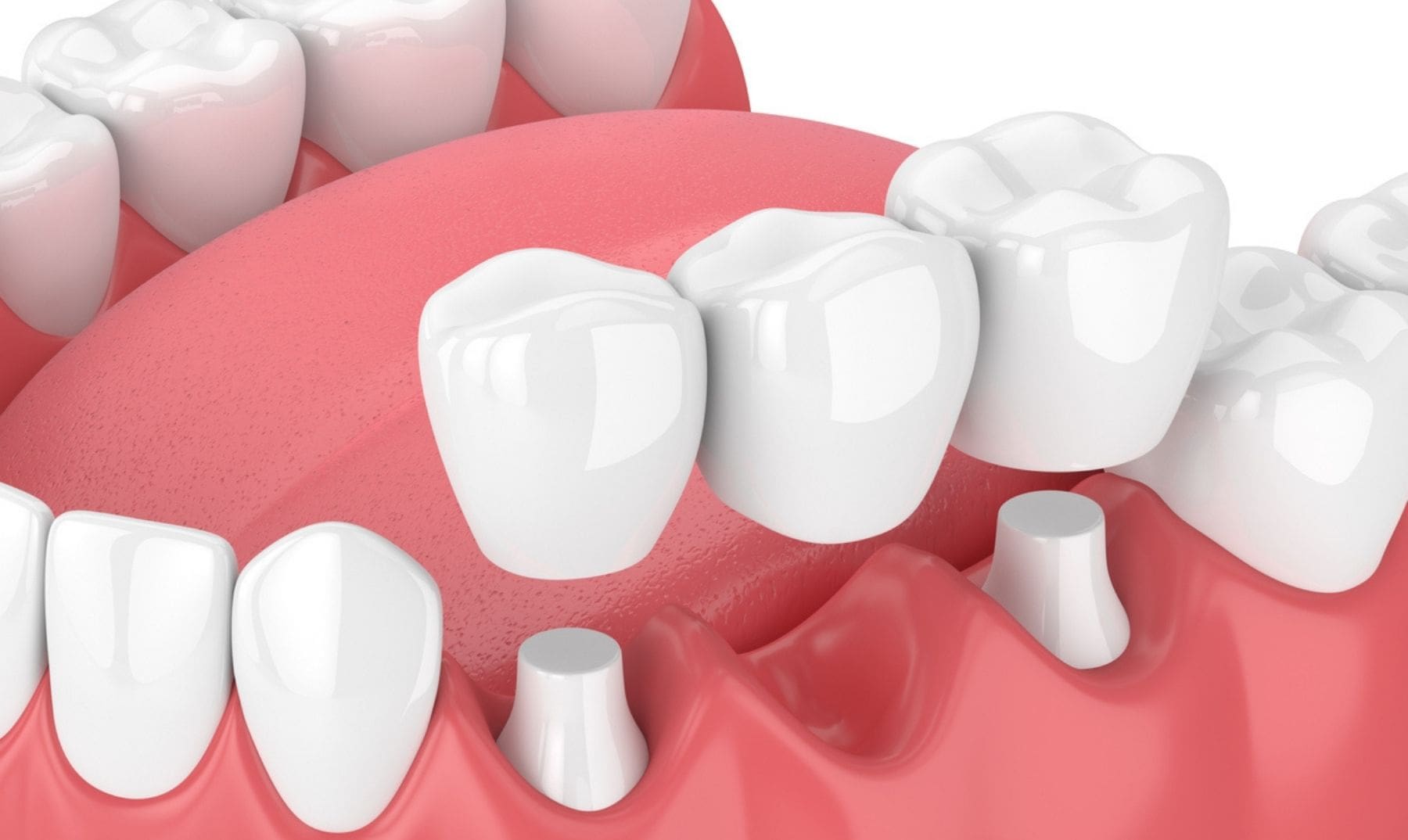
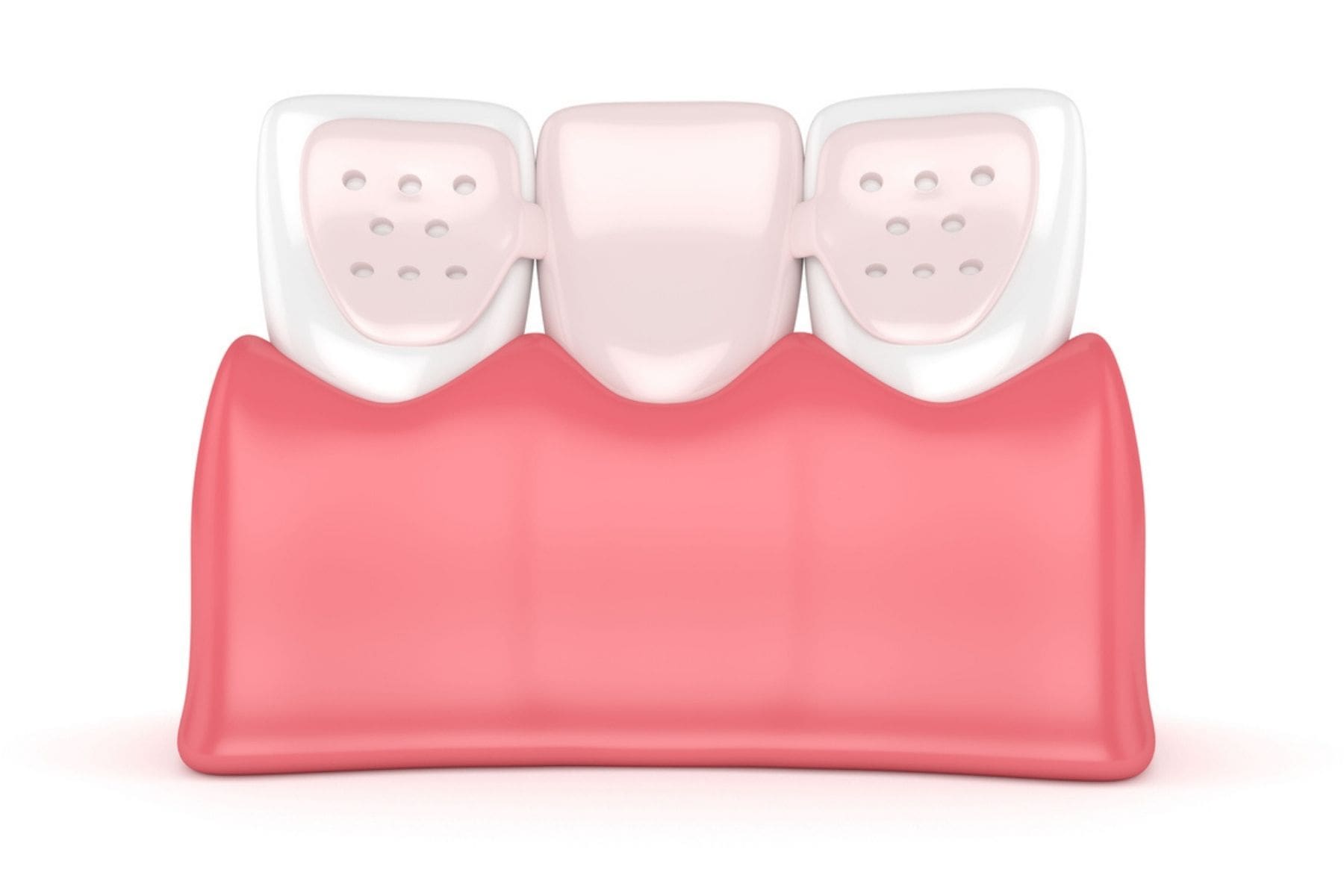
- Prosthetic that bridges the gap using adjacent teeth as anchors
- Requires neighbouring teeth to be filed down to support the false tooth suspended by crowns
- Different types for front and back teeth
- Faster to replace, taking 2-3 weeks
- No surgery involved
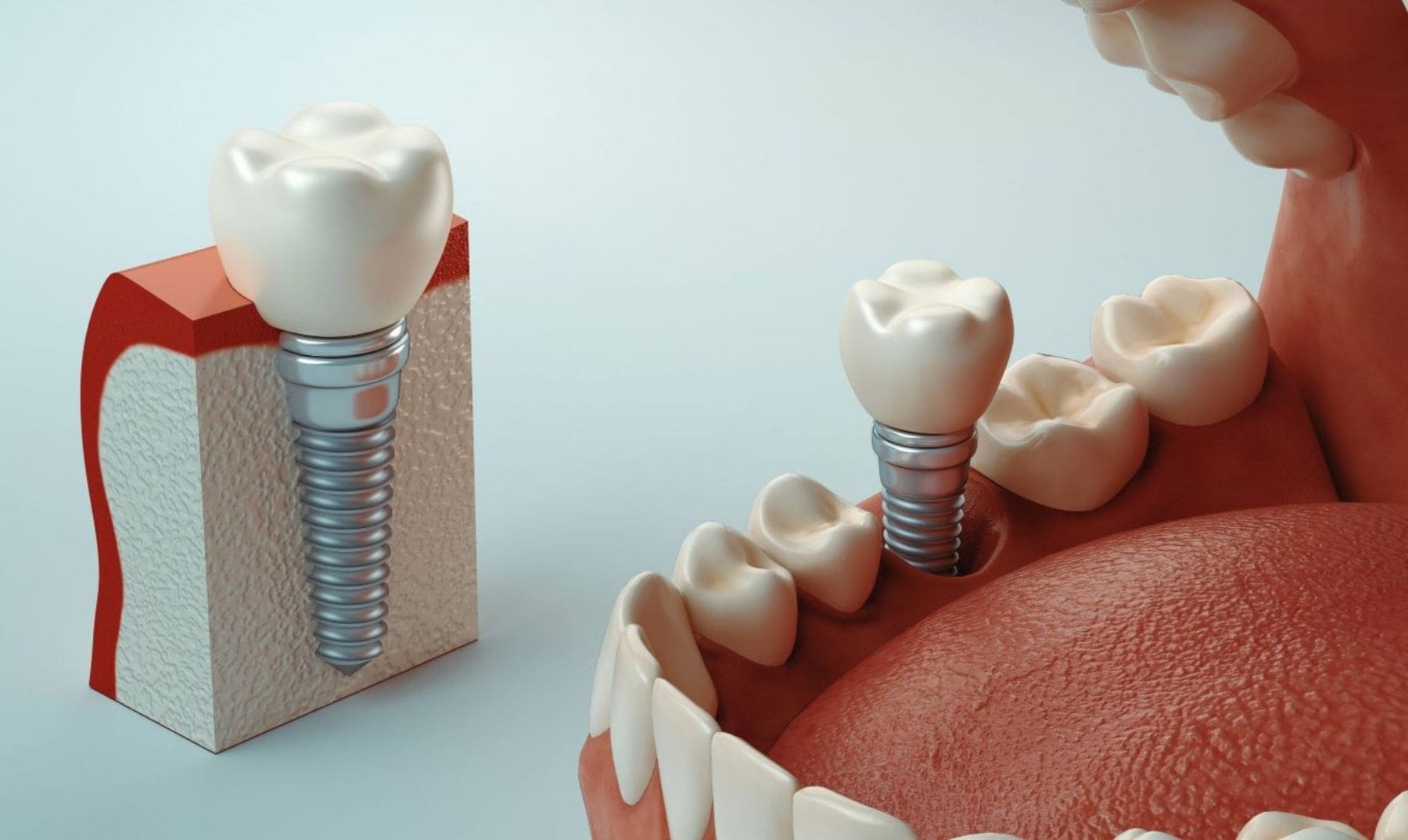
Dental implant – the long-term solution
- Uses a titanium screw that’s surgically inserted into the jaw
- Replaces the root of the missing tooth
- Supports a crown that looks and functions like a natural tooth without affecting other teeth
- Suitable for all types of teeth
- Treatment takes longer due to healing and osseointegration
Chewing & function: what does it feel like?
Exploring the difference in bite force, strength, comfort and patient experiences:
[ninja_tables id=”6024″]
Typically, patients report that dental implants feel like their own, natural teeth, often forgetting about them as they never slip or move out of place. Patients can live without limits, biting into tough foods like steak and apples with no second thought. With bridges, even though they’re functional, they can sometimes feel less stable and natural, especially as they wear over time.
How it looks
[ninja_tables id=”6028″]
Bridges and implants can both look great, especially in the short term. However, over time, you may notice small details, such as a shade mismatch between bridges and implants.
Suitability: who’s best for which type?
Not every patient is a candidate for both. Here’s an overview of what system is best aligned to certain types of cases:
[ninja_tables id=”6029″]
Understand your missing teeth options – book a consultation at our Burgess Hill clinic:
[wpforms id=”5546″]

Cost & finance
[ninja_tables id=”6030″]
Procedure, pain & recovery
[ninja_tables id=”6031″]
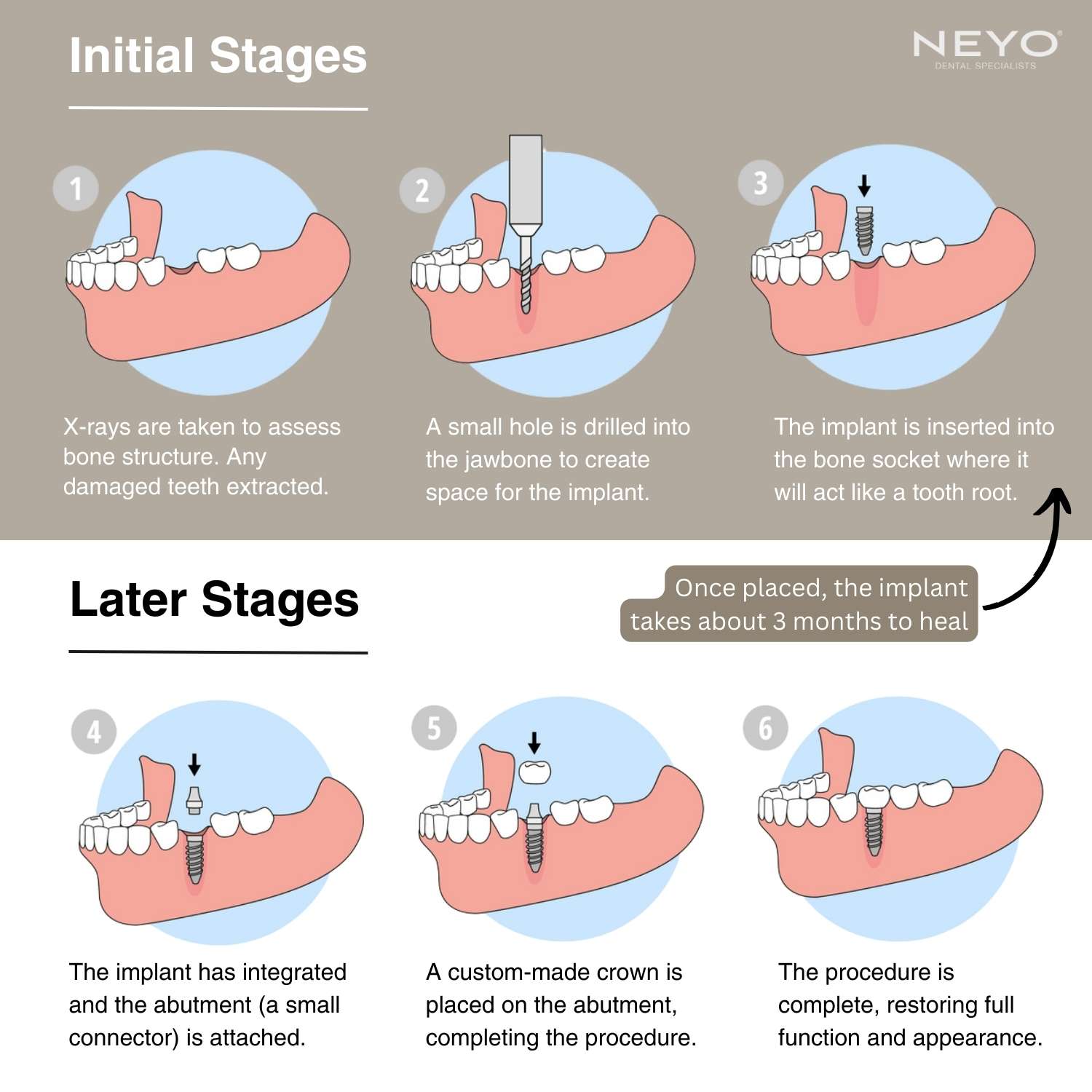
The dental implant procedure is initially more extensive, requiring up to 3 months for your missing tooth to be replaced, but this is to ensure it’s integrated into the jawbone for long-term stability. Dental bridges are faster because they require the support of your teeth and do not work independently.
Aftercare, maintenance & longevity
[ninja_tables id=”6032″]

Impact on oral health
[ninja_tables id=”6033″]