Common dental implant problems

Your gum bleeds or feels sore around the implant

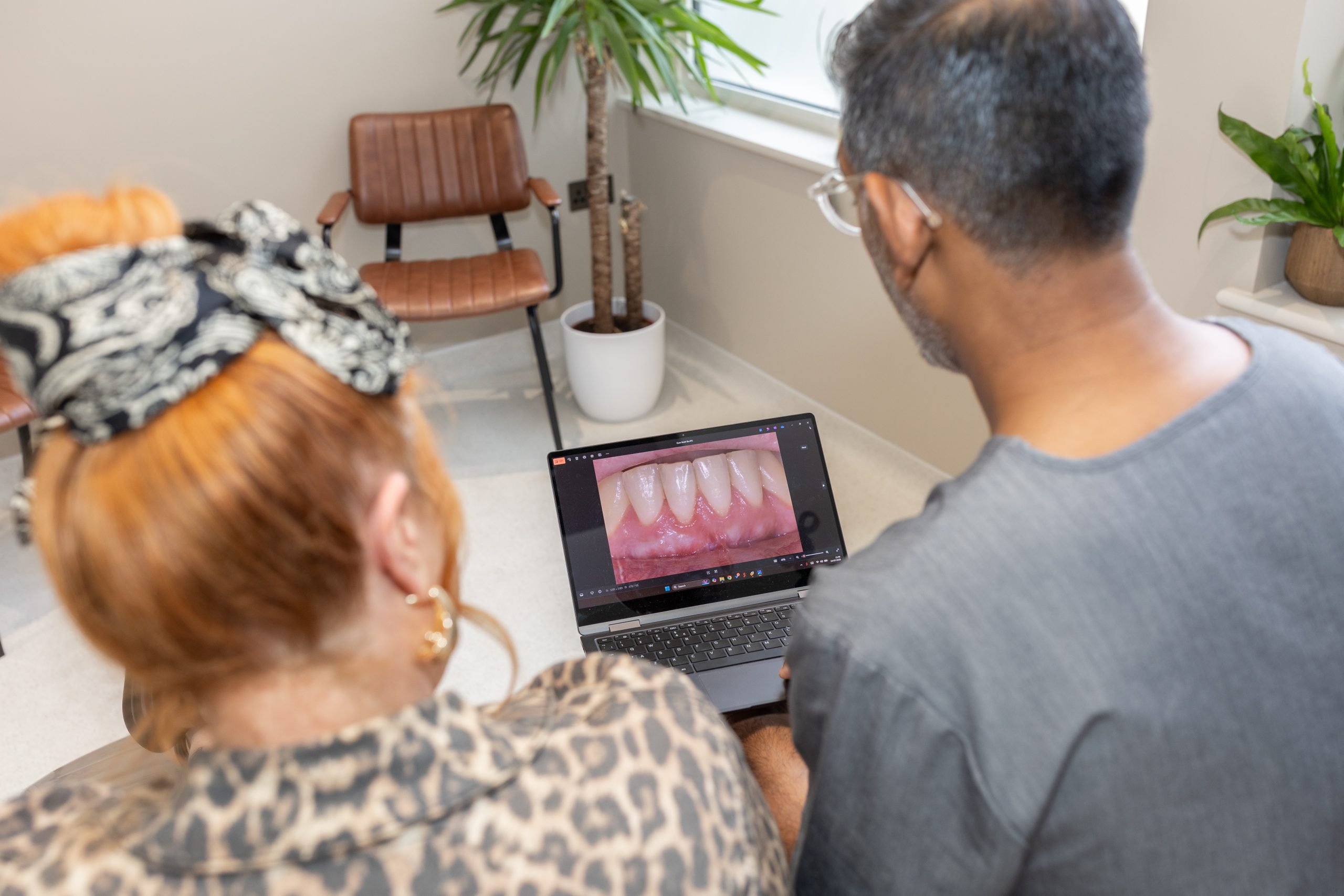
Experiencing tenderness, occasional bleeding or inflammation around an implant is fairly common, but it shouldn’t be ignored. When caught early, inflammation in this area is typically manageable and usually reversible with professional care. If left untreated, this inflammation can progress to conditions such as peri-implantitis, which affects the bone and tissue supporting the implant. Book a dental implant review with us if you have any concerns.

Peri-implantitis
The crown or bridge feels loose

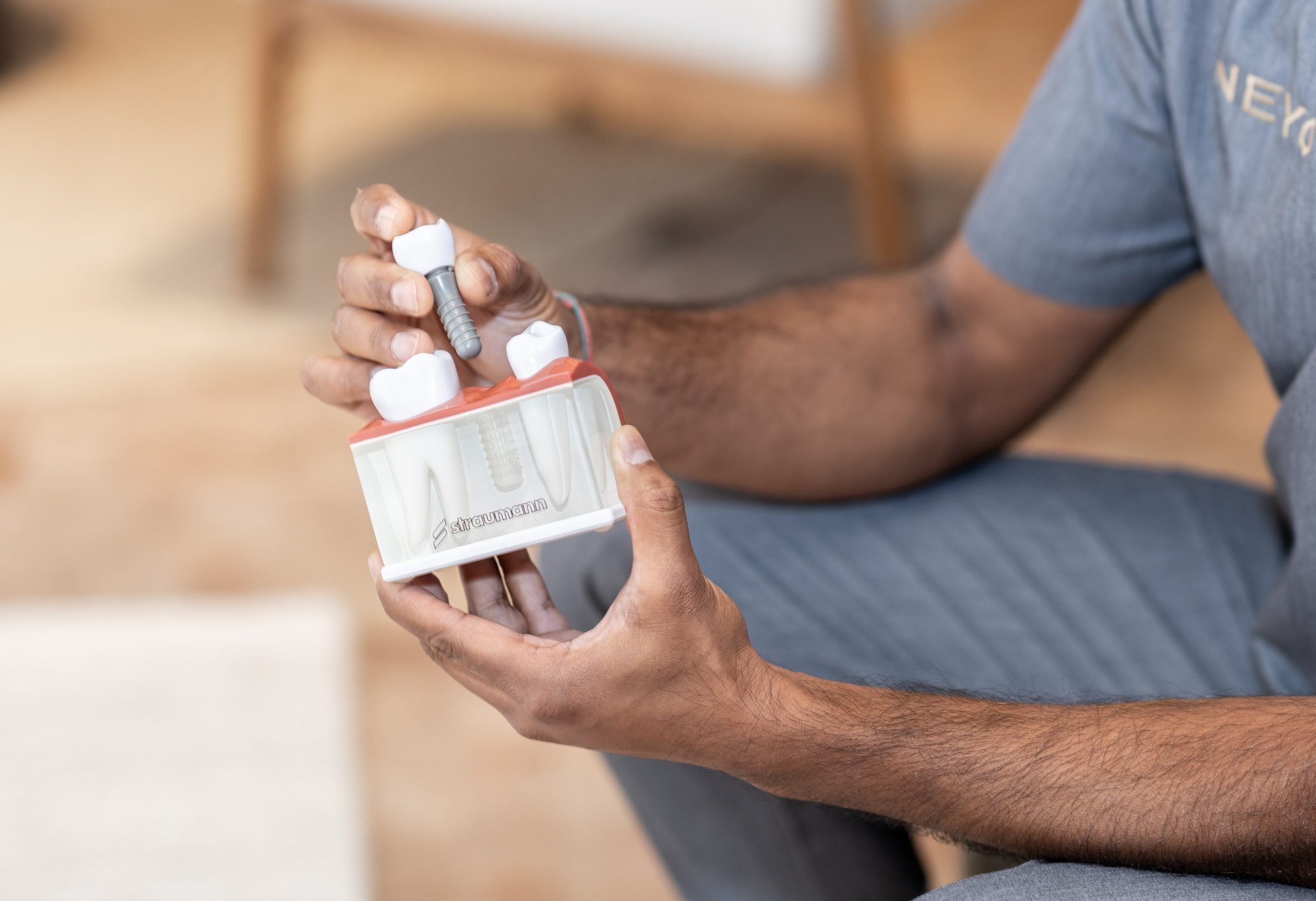
When a crown or bridge starts feeling loose, most people immediately worry that the entire implant is failing. Fortunately, that is rarely the case. The most common culprit is actually a loose screw holding the crown in place, while the implant itself remains firmly fixed in place. This is generally a very straightforward fix, and we will also check your bite to ensure the issue does not simply happen again. It’s important to get it looked at promptly, as leaving a screw loose for too long increases the risk of it fracturing.

The porcelain has chipped or broken

Dealing with a chipped crown or bridge can be stressful, but the solution often depends on the size of the damage. Small chips can usually be smoothed out or repaired right in the dental chair, while larger fractures might mean we need to remake the crown or bridge entirely. If you experience repeated chipping, it often points to how your teeth fit together or a habit like teeth grinding, so we will look closely at your bite alongside the repair to help prevent it from happening again.

The gum has shrunk back, and metal or a dark margin is showing

Seeing the gum tissue recede around a dental implant can be concerning, especially when it exposes the metal collar or a dark line along the edge of the crown. This is often especially noticeable at the front of your mouth. Depending on your situation, it can often be improved using soft-tissue grafting to rebuild the gumline or by replacing the crown to better match your smile. However, because every smile and bone structure is unique, not every case can be fully corrected, and we will always be completely honest with you about what is realistically achievable.

Gum grafting
The colour, shape or angle looks wrong

It can be really disappointing if a new crown does not quite look right, whether its colour, shape, or angle doesn’t match the teeth beside it, or if it leaves small dark triangles at the gumline. Fortunately, these aesthetic concerns can often be greatly improved by remaking the restoration, and sometimes by incorporating gentle gum grafting. We always want you to love your smile, so we will discuss your options and give you an honest idea of what is realistically achievable before we agree on any next steps.

A step has appeared between the implant and the teeth next to it

Occasionally, a step appears between your dental implant and the neighbouring teeth. This is because natural teeth continue to shift very slowly throughout your life, and the implant stays completely fixed in the spot it was placed. This phenomenon is known as infraocclusion, and it is most commonly noticed by individuals who received their implants at a younger age. Fortunately, this is usually managed quite easily by remaking the crown so that it matches the current position of your teeth.

Less common problems

Pus, swelling or a bad taste

If you notice pus, swelling, or a bad taste around your implant, please do not wait to seek help. This is usually a sign of an infection around the implant that needs prompt professional care. Give us a call right away at 01444 523 143, and feel free to read more about peri-implantitis and failing implants on our dedicated page here.

Find out more
A screw or a component has fractured

It can be alarming to experience a fractured screw or component, but please rest assured that we can handle it. If a screw has fractured inside, it carefully needs to be retrieved, and in most cases, the implant itself can be saved. While it is rare, if the implant itself happens to fracture, it will need to be removed and the healing site carefully rebuilt. For us to take the best possible care of you, our first step in either situation is identifying the specific implant system you have so we can use the exact right tools and components.

The implant itself has loosened or come out

Discovering that the dental implant itself, rather than just the crown on top, has loosened or come out can be quite unsettling. If an implant moves, it means it has lost its secure attachment to the bone and will need to be removed, with removal starting from £300. Depending on your body’s healing and the condition of the area, sometimes a new implant can be placed straight away, though more often the site needs time to heal first, and occasionally bone grafting is required to rebuild the foundation.

Bone grafting
Implant-retained denture coming loose

The most common problem is the denture working loose. The clips that hold it are designed to wear and are replaced as routine maintenance. Dentures can also crack, and the teeth can wear down; most of this is repairable, and where it is not, the denture can be remade on your existing implants.

Who will treat you?

NEYO - Specialist dentistry in Sussex image

Our guarantee

Our 12-month guarantee and the Straumann fixture warranty apply to implants placed at Neyo. If your implants were placed elsewhere and are still under that practice’s guarantee, it is worth checking with them first. Either way, we are glad to see you, and everything is quoted in writing before anything is agreed.