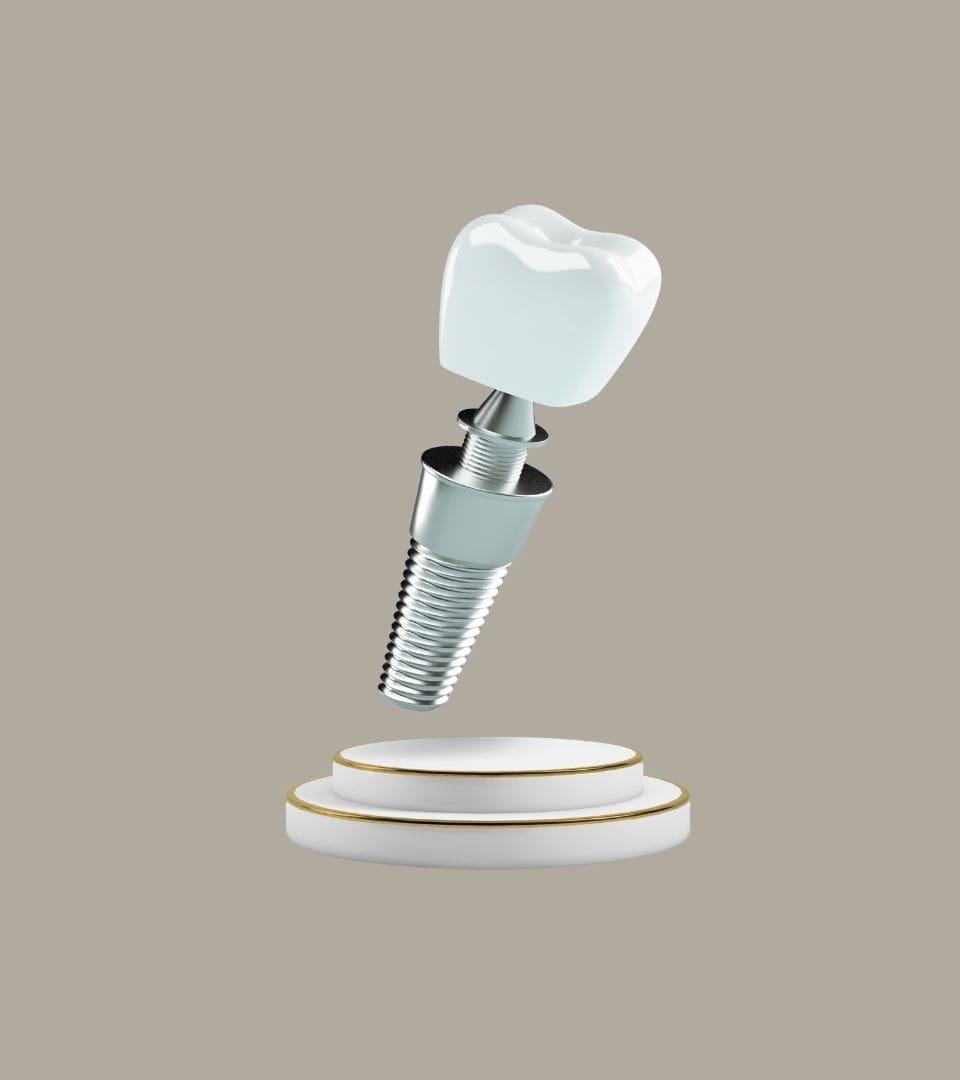
Heard of screwless dental implants and thought you might be missing out on some new, innovative implant technology that offers a cheaper shortcut? Or perhaps your dentist has suggested them and you want to feel reassured you’re not being sold the wrong thing?
Without overwhelming you too much with the technical, screwless implants are not the wrong recommendation; they’re just not always ideal in most cases. And they might not be right for you.
As specialist missing teeth dentists, implantologists and oral surgeons, we’ll break down why screw-retained implants tend to be the gold standard and the rare times that screwless might make better sense, so you can understand if you’re looking into the right option, or if it’s a red flag.
Explain screwless dental implants to me
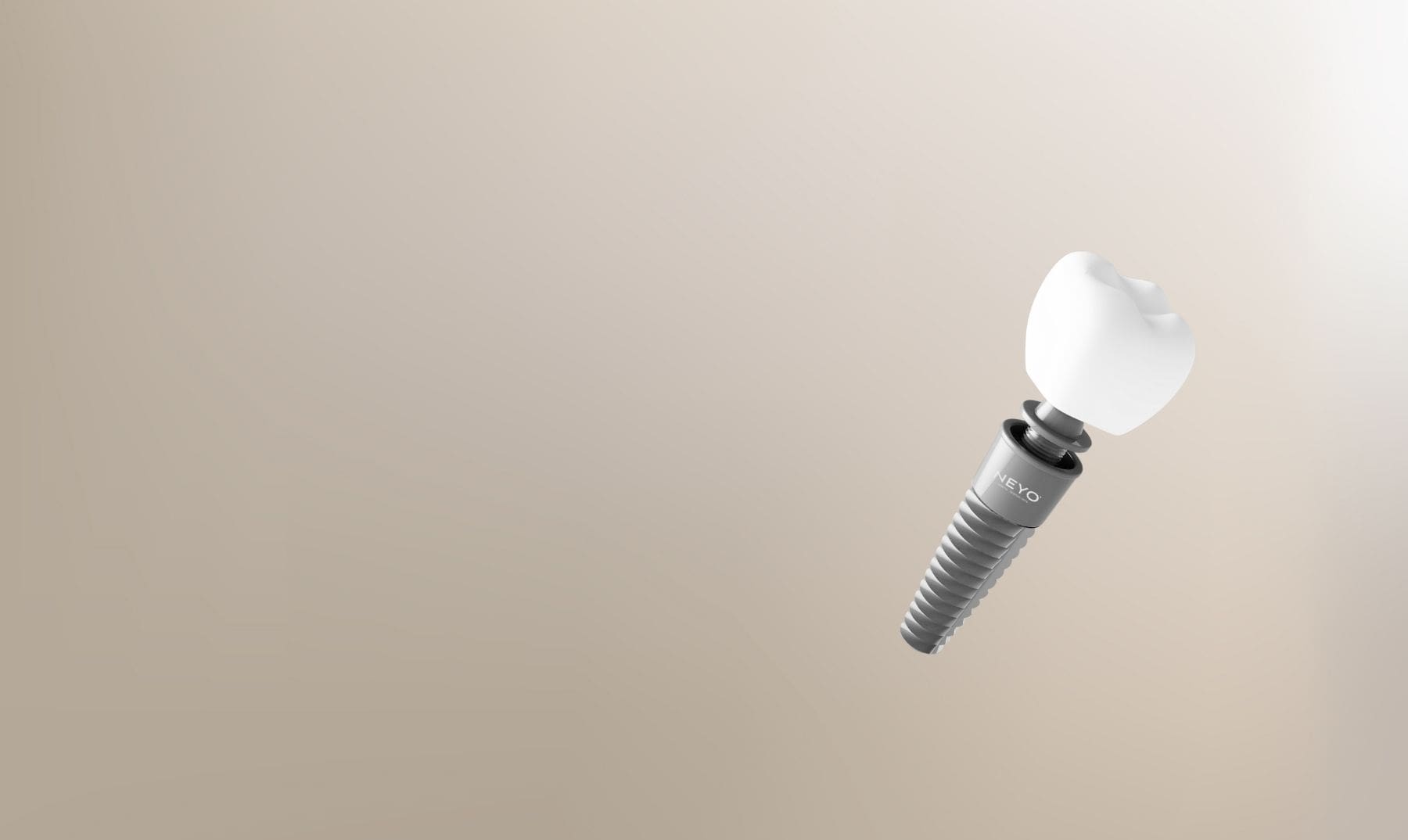
Screwless implants usually describe when a crown or bridge is cemented onto the implant instead of being screwed in, and while it might look a cleaner approach, it’s not always our first go-to choice for many cases.
Screwless implants are cement-retained (instead of screw-retained) and are bonded to the abutment using dental cement, which means they typically last 15 years less than normal implants.
The only time when screwless implants (cemented) make sense
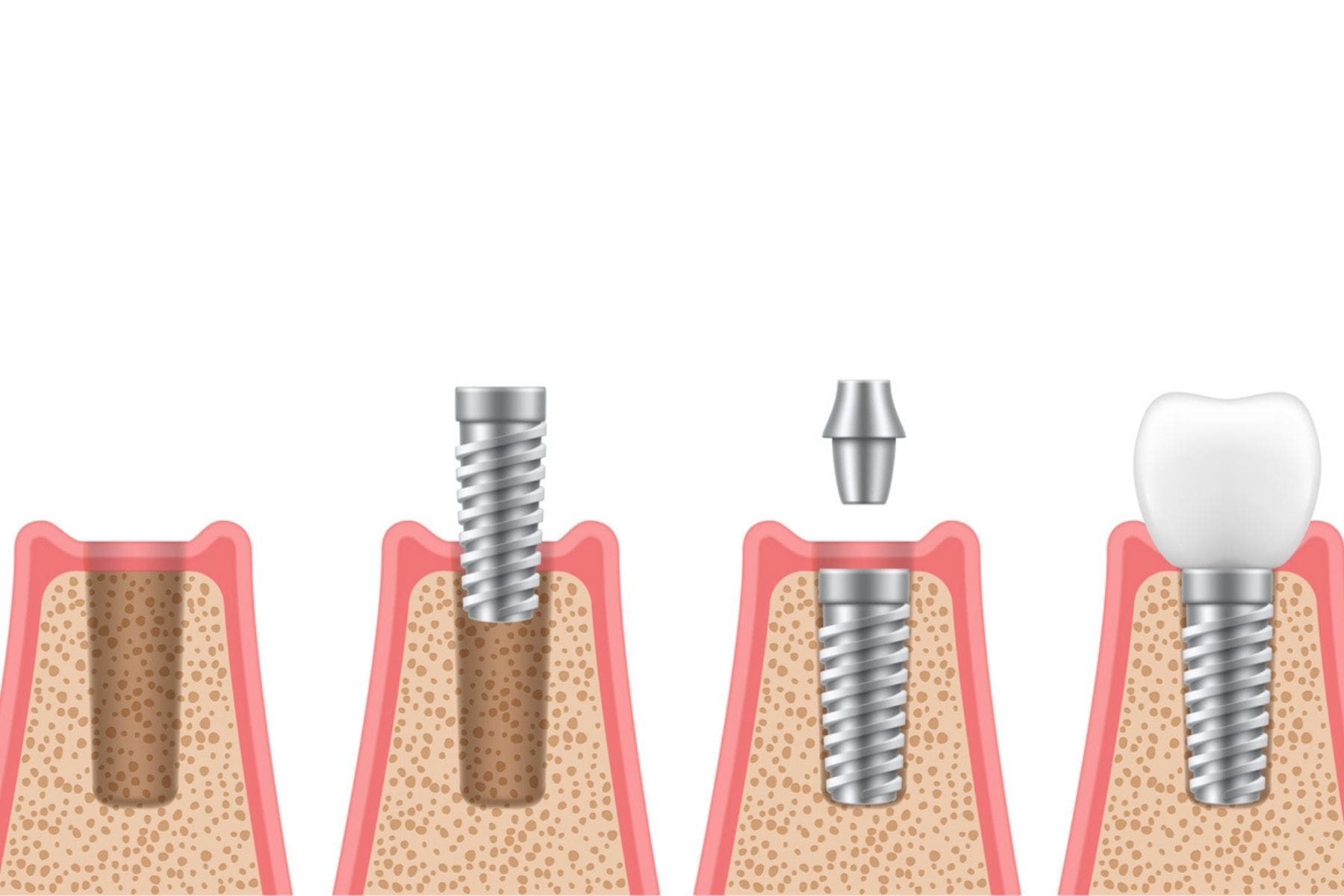
A few legitimate reasons to go screwless do exist, like angulation or space limitations, which in these instances, will be your best or only option.
But do bear in mind that they’re not designed with longevity in mind.
Our implant dentist, Dr Wadher, might consider them when:
- When the implant needs to be placed at an angle due to a lack of bone availability.
- When there’s not enough vertical space for a screw-access channel.
- If we need to use a custom abutment
At our specialist clinic, we’ll use screwless options only when it’s absolutely necessary, not as a shortcut.
When choosing a dental implant clinic or provider, you should always feel confident that they put your long-term needs and results before all else.

Screwless cemented crowns are not inherently bad, but they’re often less ideal
Screw-retained dental implants (the traditional type) are the gold standard in restorative dentistry because they’re reversible, cleanable and easier to repair.
In modern dentistry, they’re the most recommended because they offer better durability and function.
Turkish clinics, or clinics abroad, might push this type of implant on you, because for them it’s cheaper and faster.
You can be sold on benefits like better aesthetics and shorter recovery time, but as dentists, we take these as red flags, especially when it comes to replacing missing teeth long-term.
When to question a screwless implant recommendation
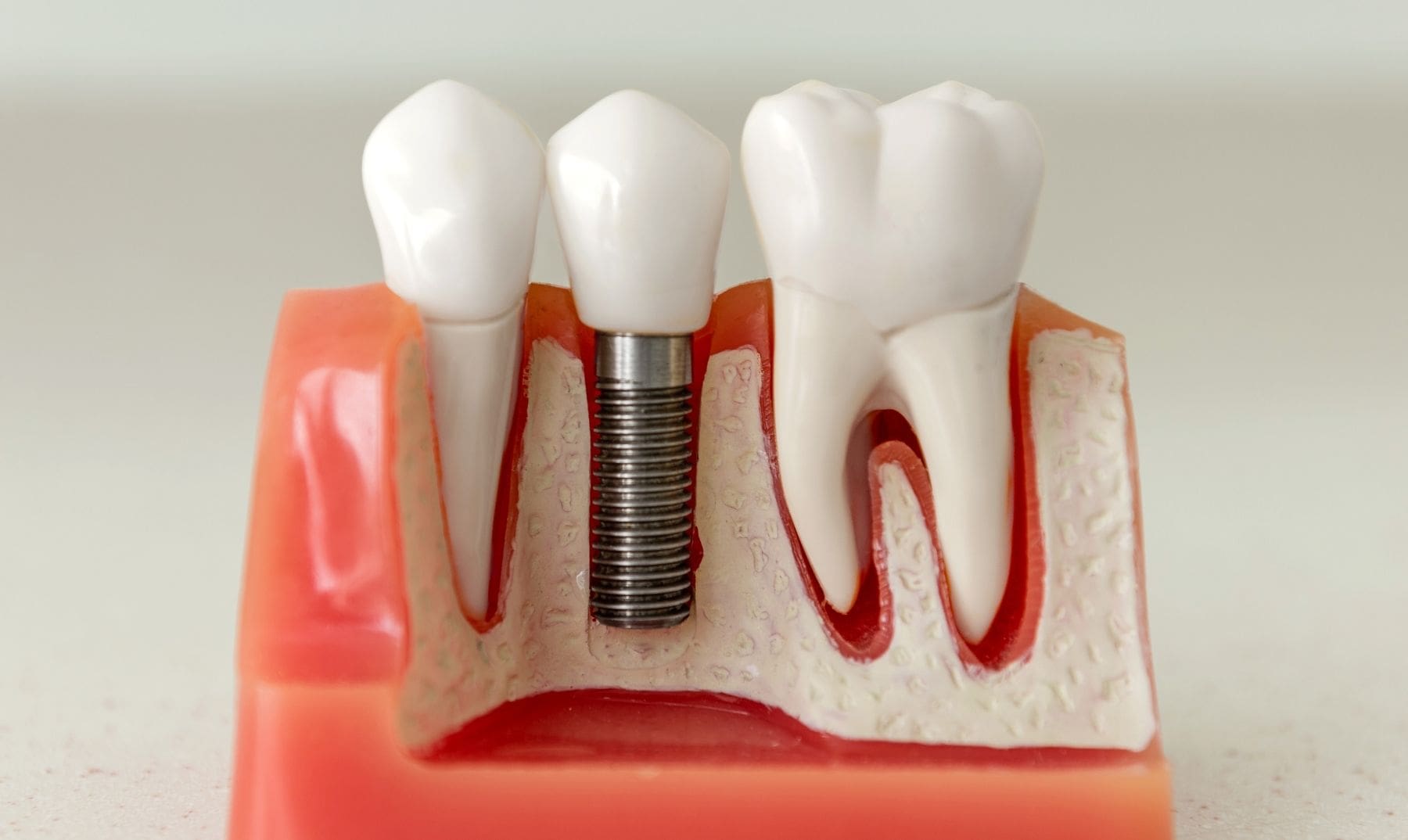
If you’re not sure why you’re being recommended a cement-retained (screwless) solution, you are free to get a second opinion.
It’s more than likely your dentist has recommended this type of implant for a good reason, but it won’t hurt for you to ask for an explanation.
Throw caution to the wind if the clinic does not offer screw-retained implant options at all, or does not give you a clear explanation why screwless has been selected in your case.
If answers come back that are framed around “it’s simpler, cheaper or faster” without prioritising long-term outcomes, you should get a second opinion.
Questions you can ask:
- Why not a screw-retained restoration for my case?
- Can you retrieve this crown if something goes wrong?
- How do you ensure that excess cement won’t be left behind?
Don’t ever feel embarrassed about asking questions, or feel like you’re being difficult. You’re actually being smart. Implants aren’t just an option for today – they’re supposed to last decades, and it’s a vital decision that can save you time and money.