
Over the last 20 years, there has been an exponential increase in the number of people seeking orthodontic treatment to straighten their teeth.
This is partly because people are more conscious of their teeth in the era of Instagram and Zoom, and also because treatment options like Invisalign have made orthodontic treatment more accessible.
However, this trend has also brought an avalanche of information, as we are bombarded with TV ads, social media marketing, Invisalign open days, and so on.
If you find this confusing and overwhelming, you wouldn’t be alone! This article aims to help you decide if you are interested in having your teeth straightened, but don’t know where to start.
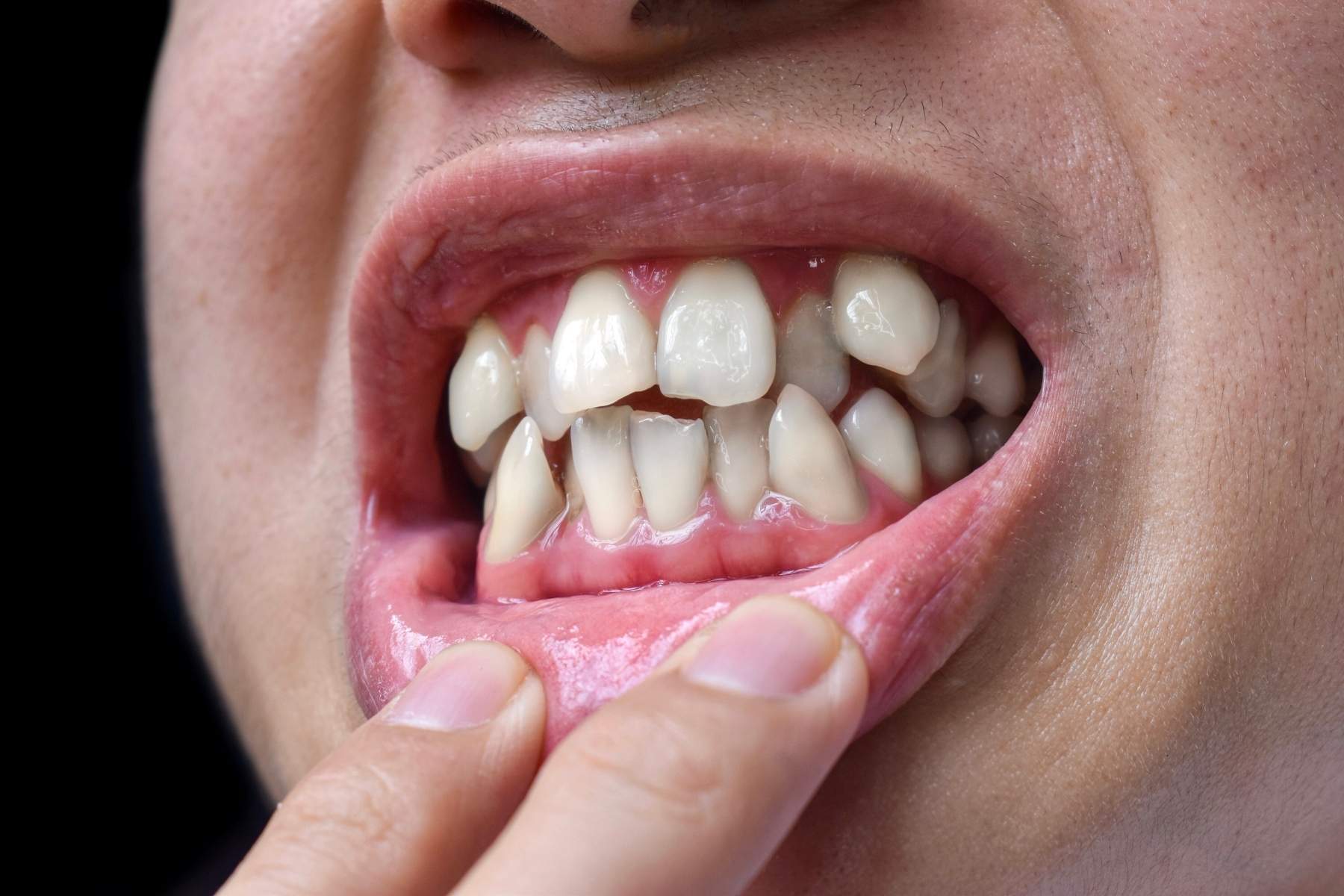
What are the options for straightening teeth?
There are now so many options and types of teeth straightening methods to choose from. Traditionally, orthodontic treatment was done with fixed metal braces.
While these are still widely used, many prefer braces that are less visible, such as clear ceramic braces, which work in a very similar way to metal braces.
Another type of fixed brace with a difference is lingual braces. Lingual braces are like metal braces, but instead of sitting on the front of the teeth, they are fixed to the insides of the teeth.
While these braces can be more expensive, they might be the preferred option in some instances.
Both metal and clear braces are fixed to the teeth and work extremely well. However, clear aligners tend to mostly be the winning option.
While many dental practices offer these, and there are numerous brands to choose from, Invisalign is by far the leader in the market and has almost become a household name.
Invisalign is a highly effective aligner that offers the advantages of being almost invisible and relatively comfortable.

Should you see a dentist or an orthodontist to have your teeth straightened?
Twenty years ago, hardly any general dentists performed orthodontics or teeth straightening and would have referred their patients to a specialist in orthodontics.
That has changed as many orthodontic systems are now very user-friendly and can be learnt over a weekend training program.
Dentists are usually familiar with one or two systems, like Invisalign or Spark Aligners and will generally take on more straightforward cases using lighter systems like Invisalign Express & Invisalign Lite.
While levels of experience vary among dentists, most will typically handle only a handful of cases per year, often alongside other types of treatments, such as crowns, fillings, and root canals.
A specialist orthodontist would have started as a general dentist after doing the 5-year dental training, but would have had to spend a minimum of 3 additional years at university dedicated to learning the speciality of orthodontics.
After this, an orthodontist may join the GDC’s specialist register and spend all their time straightening teeth using various types of braces.
Typically, an orthodontist treats between 200 and 500 patients per year, quickly building up experience and expertise in this area of dentistry.
An orthodontist will also be very familiar with multiple systems and types of braces. This gives them the freedom to mix and match, and they may be willing to take on more complex treatments with appliances such as Invisalign, knowing that they have other options available to them.

There are loads of adverts for DIY braces. Are they a good idea?
No! It may be tempting to use one of the do-it-yourself orthodontic kits, mainly because they are cheaper than seeing a professional (although not by much).
The problem is that things can occasionally go wrong with orthodontic treatment. A clinical exam with a dentist or orthodontist before starting treatment will enable us to identify potential issues before they become too severe.
With DIY braces, there is no clinical exam, and no professional will oversee your treatment, taking responsibility if things don’t go to plan. Just look at what happened with SmileDirectClub, leaving patients in the UK with unfinished treatment plans.
Any dentist or orthodontist in the UK is legally required to be registered with the General Dental Council to practice. This is necessary to keep you safe.
The companies offering DIY orthodontics have addressed this issue, so no one will be held accountable if your teeth are irreversibly damaged during the treatment.
And then there is the aftercare. There is none with DIY braces, and many people find themselves back at square one after months of treatment and thousands of pounds later.

What is the process at Neyo Dental Specialists?
If you are interested in teeth straightening or orthodontic treatment for yourself or your child, the first step is to schedule an orthodontic or Invisalign consultation.
Either your dentist sends us a referral, or you can contact us directly to book your consultation with our specialist orthodontist. This can be done on our website, or feel free to email or call us on 01444 523143.
During the initial consultation, we will assess your teeth and bite and discuss the available options with you. We will discuss different brace options and costs.
If you like what you hear, we can usually get started straight away!
How long does it take to straighten teeth?
It really depends on how complex your treatment is.
Adults with crooked front teeth or gappy teeth can be finished in as little as 6 months.
More complex treatments involving impacted teeth or very large overbites may take up to 2 years.
Although there are always unpredictable elements, we can provide a good indication of how long it will take during your initial consultation.
Dive deeper:

How much will it cost to straighten teeth?
If you are having your upper or lower teeth straightened, treatment costs start at £2,990.
There are payment plans available, including 0% finance over 12 months. Repayment terms are flexible, and we will be happy to discuss them in more detail.